A Practical Guide to SE Ranking vs CitationDesk 2026 for Beginners
Learn how to approach se ranking vs citationdesk 2026 with practical steps, examples, risks, FAQs, and next actions.
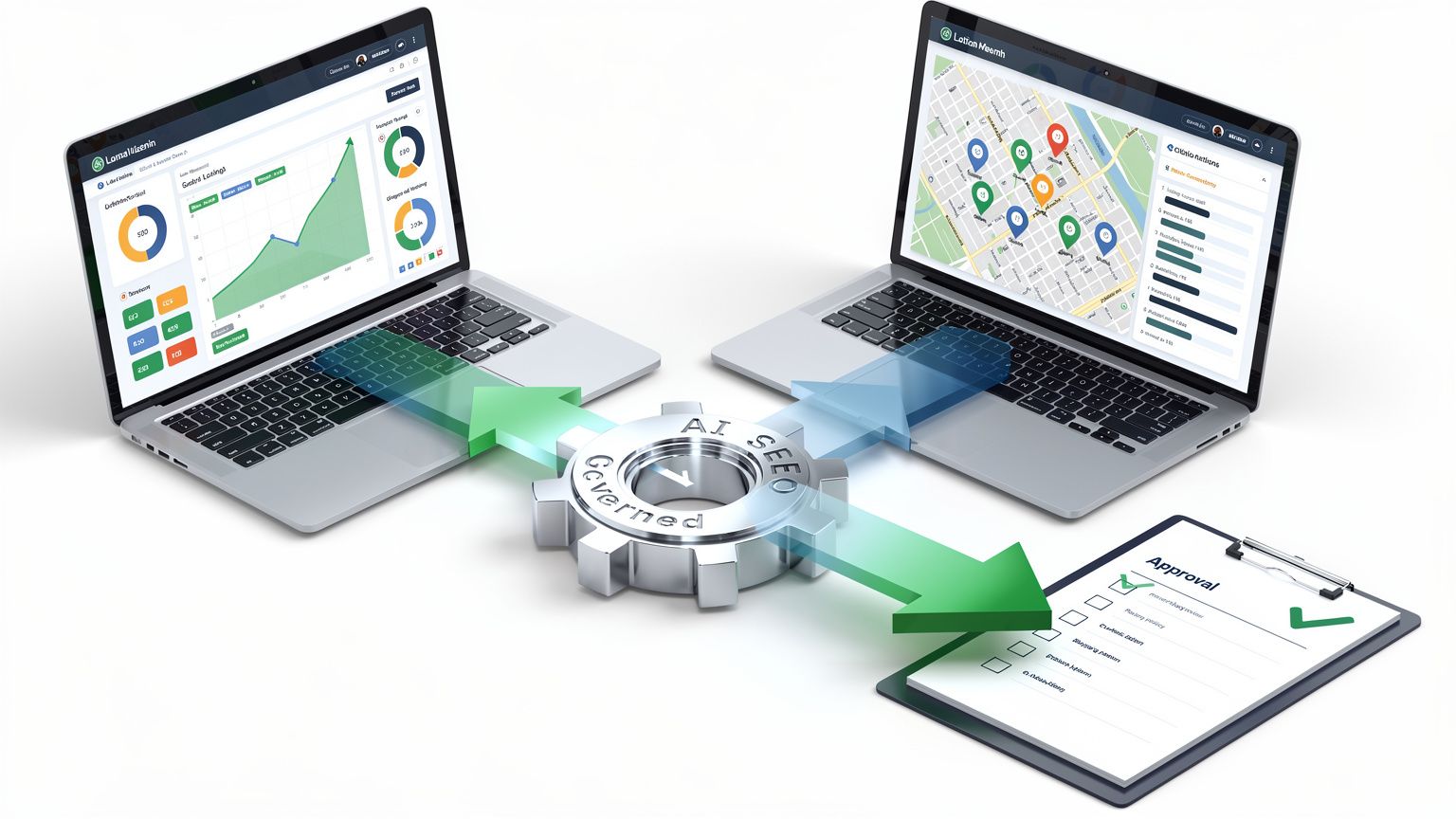
TL;DR – If you’re a marketer, founder, agency, or SaaS growth team looking to harness AI‑driven SEO without losing control, this guide walks you through the entire workflow—from setting up a governed AI SEO operating system to choosing the right tool (SE Ranking or CitationDesk) for 2026. You’ll get step‑by‑step processes, real‑world examples, common pitfalls, and a ready‑to‑use blueprint that aligns with SAL SEO’s evidence‑first, approval‑gated philosophy.
---
Introduction
Search engine optimization has entered a new era. Traditional “keyword‑only” tactics are no longer enough; AI‑powered search experiences like Google’s AI Overviews, ChatGPT, Gemini, and Perplexity now surface brand information directly in conversational answers. For teams that need speed, scale, and compliance, the challenge is to blend AI‑generated insights with human governance.
Two platforms dominate the 2026 SEO automation landscape:
| Platform | Core Strength | Typical Users |
|---|---|---|
| SE Ranking | All‑in‑one SEO suite (rank tracking, site audit, backlink analysis, content ideas) | Small‑to‑mid‑size agencies, freelancers, in‑house teams that need a single dashboard |
| CitationDesk | Automated citation building & local SEO, with AI‑enhanced NAP verification | Local‑business marketers, franchise owners, agencies focused on GMB/Maps visibility |
Both tools can be integrated into SALP SEO’s governed AI SEO operating system, which adds a layer of approval, compliance, and performance monitoring. The sections below explain how to set up that system, compare the two platforms, and give you a repeatable workflow you can start today.
---
1. Prerequisites
Before you dive into tool‑specific steps, make sure you have the following foundations in place. These prerequisites follow SALP SEO’s evidence‑first approach, ensuring that every AI output is backed by data and human sign‑off.
1.1 Governance Policy
- Define roles – Content strategist, SEO lead, compliance reviewer, subject‑matter expert (SME).<br>
- Create an approval matrix – Which content types need SME sign‑off? Which require legal review?
- Document brand voice guidelines – Tone, terminology, prohibited claims.
*Why it matters*: Governed AI keyword discovery improves rankings by focusing on intent and structured content ecosystems (see SALP SEO “Governed AI Keyword Discovery” evidence).
1.2 Technical Stack
- SALP SEO account – Central hub for AI visibility monitoring, approvals, and reporting.
- CMS integration – WordPress, Contentful, or a headless CMS with API access.
- Analytics – Google Analytics 4 + Search Console, plus SALP SEO’s performance dashboard.
1.3 Data Sources
| Source | What you get |
|---|---|
| Google Search Console | Indexing status, impressions, clicks |
| AI Search APIs (Gemini, Perplexity) | Real‑time AI overview visibility |
| Competitor monitoring feeds | Brand mentions, sentiment, SERP shifts |
| Internal product roadmap | Upcoming feature releases to align content |
---
2. Step‑by‑Step Process
Below is a governed, repeatable workflow that works whether you choose SE Ranking or CitationDesk. Each step includes practical tips, examples, and the SALP SEO checkpoints you should hit.
2.1 Project Setup in SALP SEO
- Create a new project – Name it “SE Ranking vs CitationDesk 2026”.
- Add stakeholders – Assign the roles defined in the governance policy.
- Configure AI visibility monitoring – Track Google, AI Overviews, and local citation signals.
- Set up KPI dashboard – Impressions, CTR, average position, citation accuracy, and approval cycle time.
*Tip*: Use SALP SEO’s “one‑page governance policy” template to get started in under an hour.
2.2 Competitor Research
| Activity | Tool | Output |
|---|---|---|
| SERP mapping | SE Ranking – SERP Analyzer | List of top 10 competitors per keyword |
| Local citation audit | CitationDesk – Citation Health Report | Gaps in NAP consistency across 200+ directories |
| AI overview capture | SALP SEO AI Search Monitor | Screenshots of brand appearance in AI answers |
Example: A SaaS startup discovered that its competitor’s AI overview listed a pricing tier that the startup had not yet published. The team added a “Pricing FAQ” page to pre‑empt misinformation (see SALP SEO “AI Misinformation Fire Drills”).
2.3 Governed Keyword Discovery
- Generate raw keyword clusters using SE Ranking’s Keyword Planner (or CitationDesk’s local keyword suggestions).
- Run the list through SALP SEO’s AI‑driven clustering engine – groups topics into pillars (4‑6 pillars, each with 3‑6 sub‑topics).
- Approval gate – Content strategist reviews clusters for relevance, compliance, and brand alignment.
- Finalize – Export to a shared Google Sheet or SALP SEO’s Blueprint repository.
*Evidence*: Governed AI keyword discovery improves indexing likelihood by focusing on intent and structured ecosystems.
2.4 Blueprint Creation
A blueprint is a living document that maps each pillar to:
- Target keyword(s)
- Content brief (title, intent, word count, CTA)
- Internal linking plan
- Schema markup (Article, FAQ, LocalBusiness)
- Publication schedule
Sample Blueprint Row:
| Pillar | Sub‑topic | Target Keyword | Word Count | Owner | Approval Deadline |
|---|---|---|---|---|---|
| AI SEO Governance | Approval‑gated workflows | "approval gated AI SEO" | 1,800 | Jane (Content Strategist) | 2024‑10‑15 |
2.5 Content Generation & AI Drafting
- Prompt engineering – Use SALP SEO’s approved prompt library (e.g., “Write a 1,800‑word article on approval‑gated AI SEO for SaaS, include 3 real‑world case studies, maintain brand voice”).
- Generate draft – Run through SE Ranking’s AI Content Generator *or* CitationDesk’s AI Blog Builder.
- Human edit – SME verifies technical accuracy; compliance reviewer checks for prohibited claims.
- Add schema – Use SALP SEO’s schema wizard to inject JSON‑LD for Article, FAQ, and Breadcrumbs.
2.6 Review & Approval Workflow
| Stage | Who | Action |
|---|---|---|
| Draft Review | SME | Verify facts, add citations |
| Compliance Check | Legal | Ensure no regulatory violations |
| Brand Voice Sign‑off | Content Lead | Confirm tone matches guidelines |
| Final Publish Approval | SEO Lead | Approve for go‑live |
All approvals are logged in SALP SEO, providing an audit trail for future audits.
2.7 Publishing & Indexing Checks
- Push to CMS via API or manual upload.
- Run SALP SEO indexing validator – catches 404s, canonical issues, and duplicate content.
- Submit sitemap to Google Search Console and AI Search portals (e.g., Bing AI, Perplexity).
- Monitor citation health (if using CitationDesk) – ensure NAP consistency after publishing.
2.8 Performance Tracking & Optimization
- Weekly AI visibility report – impressions, AI overview rank, citation accuracy.
- Monthly growth dashboard – compare SE Ranking vs CitationDesk contribution to traffic.
- Optimization loop – Identify under‑performing pillars, refresh content, or add new FAQs.
*Practical tip*: Set a 30‑day “first‑look” KPI – aim for at least a 10 % lift in AI overview impressions after the first publication cycle.
---
3. Common Mistakes & How to Avoid Them
| Mistake | Impact | Prevention |
|---|---|---|
| Chasing every keyword | Dilutes authority, creates thin content | Use pillar‑based clustering; limit to 4‑6 pillars |
| Skipping compliance review | Legal risk, brand damage | Enforce mandatory approval gate in SALP SEO |
| Publishing without citation verification (CitationDesk) | Inaccurate NAP data, lower local rankings | Run CitationDesk’s Health Check before go‑live |
| Ignoring AI overview monitoring | Missed brand mentions, misinformation spread | Set up real‑time AI Search alerts in SALP SEO |
| One‑off content creation | No scalability, high rework | Build a repeatable blueprint and reuse prompts |
---
4. Blueprint Requirements – The Minimum Viable Set
- Governance Document – One‑page policy covering roles, approval flow, and brand voice.
- Keyword Cluster Sheet – Pillars, sub‑topics, search intent, and priority score.
- Content Brief Template – Title, meta description, H1‑H3 outline, CTA, schema list.
- AI Prompt Library – Pre‑approved prompts for each content type.
- Approval Tracker – Status column (Draft, In Review, Approved, Published).
- Performance Dashboard – KPI widgets for AI visibility, citation health, and traffic.
*Why this matters*: A lightweight blueprint reduces risk while enabling rapid scaling – exactly the balance SALP SEO promotes.
---
5. Monitoring, Optimization, and Ongoing Growth
5.1 Real‑Time AI Visibility Monitoring
- Alert thresholds – e.g., a drop of >15 % in AI overview impressions triggers a review.
- Sentiment analysis – SALP SEO turns raw mentions into sentiment scores; negative spikes prompt a PR response.
5.2 Citation Health Dashboard (CitationDesk)
| Metric | Target |
|---|---|
| NAP consistency across directories | ≥ 95 % |
| Citation volume growth month‑over‑month | +10 % |
| Duplicate citation rate | < 2 % |
5.3 Continuous Content Refresh
- Quarterly audit – Re‑run keyword clusters, add new questions from AI search logs.
- Add “Answer‑First” sections – Directly address the most common AI‑generated queries.
- Leverage schema updates – Add
FAQPageorHowTomarkup as AI assistants favor structured data.
---
6. SE Ranking vs CitationDesk – Feature Comparison for 2026
| Feature | SE Ranking | CitationDesk | How SALP SEO Enhances It |
|---|---|---|---|
| Rank Tracking | Daily keyword position across 200+ search engines | N/A | SALP SEO aggregates both into a unified visibility view |
| Site Audit | Technical SEO crawl, on‑page issues | N/A | Feed audit results into approval gates for remediation |
| Backlink Analysis | Competitor backlink discovery | N/A | Use insights to build authoritative citations |
| Local Citation Builder | Limited (via third‑party integrations) | Automated NAP verification, bulk citation upload | SALP SEO monitors citation health and flags compliance issues |
| AI Content Generator | Built‑in article drafts, tone control | AI Blog Builder with template library | SALP SEO adds governance layer – prompts, reviewer assignments, version control |
| Reporting | Custom dashboards, PDF export | Citation health reports | SALP SEO unifies all reports, adds AI visibility and sentiment metrics |
| Pricing (2026) | $39‑$149/mo per user | $29‑$99/mo per user | Both integrate via API; choose based on primary need (global SEO vs local citations) |
---
7. Summary Table – Key Takeaways
| Area | Best Practice | Tool Recommendation |
|---|---|---|
| Governance | One‑page policy, approval matrix, audit trail | SALP SEO (approval workflow) |
| Keyword Strategy | Pillar‑based clustering, intent focus | SE Ranking (keyword planner) |
| Local SEO | NAP consistency, citation volume | CitationDesk (automated citations) |
| Content Production | AI‑draft + human edit, schema first | SE Ranking AI Generator *or* CitationDesk Blog Builder |
| Monitoring | Real‑time AI overview alerts, citation health dashboard | SALP SEO AI Search Monitor |
| Optimization Cycle | 30‑day KPI review, quarterly refresh | SALP SEO performance dashboard |
---
FAQ
- Do I need both SE Ranking and CitationDesk?
- Not necessarily. If your focus is national/global SEO, SE Ranking alone may suffice. For businesses that rely heavily on local search (e.g., franchises), CitationDesk adds critical citation automation. SALP SEO can integrate either or both, letting you start small and expand.
- How does approval‑gated AI SEO differ from “just using AI”?
- Approval‑gated AI combines the speed of AI drafting with mandatory human checks for factual accuracy, brand voice, and compliance. This reduces misinformation risk and aligns content with product updates, as highlighted in SALP SEO’s “AI Misinformation Fire Drills”.
- Can a single reviewer handle the entire approval process?
- Yes, for very small teams. SALP SEO’s lightweight approval workflow allows a single reviewer to enforce governance, but scaling teams should separate roles to avoid bottlenecks.
- What are the biggest risks when using AI‑generated citations?
- Inaccurate NAP data, duplicate listings, and outdated directories. CitationDesk’s health checks and SALP SEO’s citation monitoring mitigate these risks.
- How often should I refresh my keyword clusters?
- At least quarterly, or whenever you notice a shift in AI search queries or product roadmap changes. SALP SEO’s AI visibility alerts can signal when a new query is gaining traction.
- Is schema markup still important in 2026?
- Absolutely. AI assistants prioritize structured data to generate concise answers. Use
Article,FAQPage, andLocalBusinessschema where relevant.
- What KPI should I track first?
- AI overview impressions and citation health score. They directly reflect brand visibility in the new AI‑first search landscape.
---
Conclusion
Choosing between SE Ranking and CitationDesk isn’t an either/or decision; it’s about matching the tool to your visibility goals and governance needs. By embedding both platforms into SALP SEO’s approval‑gated AI SEO operating system, you gain:
- Speed – AI drafts and automated citations are produced in minutes.
- Control – Human approvals, compliance checks, and audit trails keep your brand safe.
- Insight – Real‑time AI search monitoring and citation health dashboards surface risks before they become crises.
- Scalability – A repeatable blueprint lets small teams launch dozens of pages a month without sacrificing quality.
Follow the step‑by‑step workflow outlined above, start with a pilot pillar, and iterate based on the KPI dashboard. In 2026, the teams that combine AI efficiency with disciplined governance will dominate both traditional SERPs and AI Overviews.
---
Call to Action
Ready to put this framework into practice? Explore Salp SEO for next steps – set up your governed AI SEO operating system, connect SE Ranking or CitationDesk, and start turning data into growth today.
Governed AI Keyword Discovery: Turning Compliance into Growth Signals | SALP SEO
AI SEO Workflows for Agencies: From Data Chaos to Predictable Growth | SALP SEO
AI Overview Optimization Services 2026: Win the Answer Layer | SALP SEO
Governed AI SEO for SaaS: Scale Rankings Without Losing Control | SALP SEO
AI Content Generation for SEO Services: The 2026 Trust-First Playbook | SALP SEO