AI SEO Workflows That Learn: Automating Optimization Without Guesswork
A practical, evidence-informed guide to building approval-gated AI SEO workflows that learn and improve over time. Learn steps, pitfalls, real-world examples, and templat
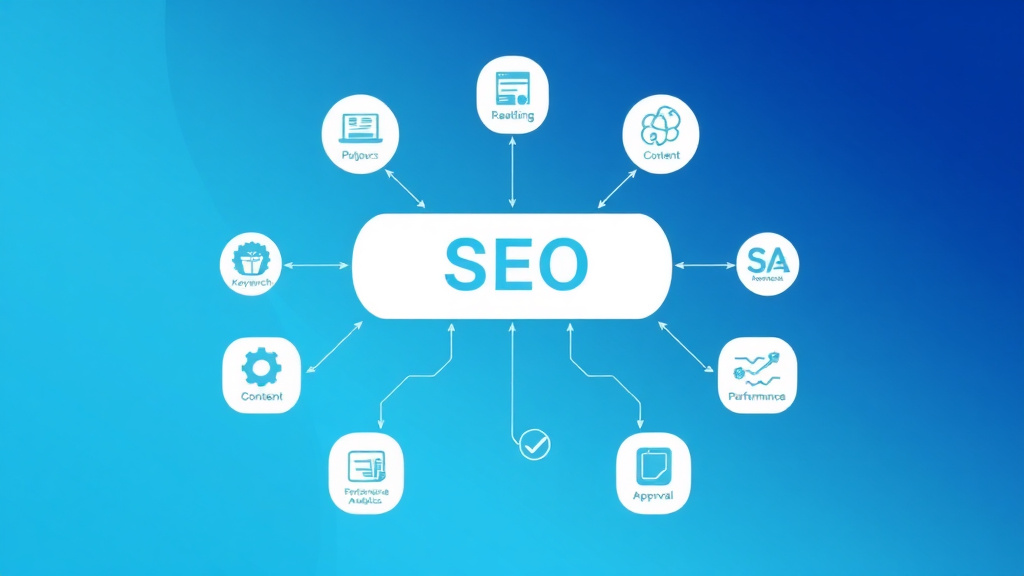
In the fast-evolving world of search, where Google, AI search, and social signals shift daily, teams need a repeatable, accountable way to optimize SEO without sacrificing quality. This editorial collection presents a practical blueprint for building AI-assisted, approval-gated SEO workflows that learn from outcomes, align with brand and legal requirements, and scale across projects. You’ll find concrete steps, ready-to-adapt templates, and real-world examples you can apply to SaaS, B2B, and agency contexts.
How to ai-driven seo workflow optimization
AI-driven SEO workflows aim to reduce guesswork by combining data-driven insights with human oversight. The core idea is to automate repetitive, low-risk tasks while gating high-impact actions behind explicit approvals. A well-designed workflow should:
- Collect and monitor signals from Google, AI search, social, and brand mentions.
- Discover keywords and content opportunities with AI-assisted research.
- Cluster content and map it to approval gates that ensure brand alignment and accuracy.
- Generate drafts and assets, then route them through human approvals before indexing.
- Track performance, index status, and user engagement to learn and improve over time.
Key components of an effective workflow
- Project setup and governance: define goals, roles, and SLAs for approvals.
- Data plumbing: integrate sources (search, social, brand signals, competitors).
- Keyword discovery and clustering: build topic maps tied to buyer intent.
- Content blueprints: create reusable templates that align with brand voice and SEO objectives.
- AI-assisted drafting with guardrails: prompts, prompts review, and topic accuracy checks.
- Approval gates: human review before publishing, with checklists for accuracy, schema, and links.
- Indexing and performance checks: monitoring indexing, impressions, clicks, and engagement.
- Continuous learning: feedback loops from outcomes into prompts and processes.
Prerequisites
Before you can deploy an approval-gated AI SEO workflow, ensure you have:
- A defined brand voice and editorial guidelines that AI prompts can align with.
- A documented approval policy and SLAs for each content type.
- Access to key data sources: search signals (Google, AI search), social, mentions, competitors, and internal content inventory.
- A lightweight indexing and sitemap strategy to support discoverability.
- Roles and ownership: content strategist, AI content creator, human editor, SEO analyst, and publishing approver.
- A basic set of KPI targets and a plan for learning from results.
Example prerequisites checklist
- [ ] Brand voice guide finalized
- [ ] Approval policy published in one-page document
- [ ] Content inventory mapped to clusters
- [ ] Indexing checks configured (crawl, canonicalization, URL hygiene)
- [ ] Role assignments documented
- [ ] Baseline metrics defined
Step-by-step process
This section outlines a practical, repeatable process you can adapt for your team. Each step includes concrete actions and example artifacts.
1) Discovery and clustering
- Actions:
- Run AI-assisted research to identify buyer intents and long-tail opportunities.
- Map existing content to topic clusters (pillar content and supporting articles).
- Create a cluster map that links topics to page URLs and proposed updates.
- Artifacts:
- Cluster map spreadsheet or a living document.
- A list of candidate pages for each cluster with suggested updates.
- Real-world example:
- For a B2B SaaS company, cluster topics around onboarding, pricing, integrations, and security. Identify 12 high-potential pages and 5 gateway pillar pages.
2) Blueprint creation and approval gates
- Actions:
- Create content blueprints that define intent, required prompts, and required metadata (title, meta description, schema).
- Define approval gates for each blueprint stage: draft → human review → final edit → indexing.
- Artifacts:
- Blueprint templates with prompts and required schema.
- Approval gate checklist (brand alignment, factual accuracy, legal/compliance, image usage).
- Real-world example:
- A SaaS onboarding guide blueprint requires: an intro, step-by-step sections, FAQ, schema for FAQPage, and at least one image with alt text. Each draft must be reviewed by the content lead and a product SME.
3) Draft generation and refinement
- Actions:
- Use AI to generate draft content following the blueprint.
- Run internal checks for canonicalization, internal links, and quality prompts.
- Artifacts:
- Draft articles with metadata, internal link plan, and image assets.
- Real-world example:
- Generate a 1,800-word article on “AI-assisted onboarding for SaaS” with embedded schema for Article and FAQPage, plus 6 internal links to pillar pages.
4) Human review and publication
- Actions:
- Content lead performs a structured review focusing on accuracy, tone, and brand alignment.
- Compliance and product SMEs validate technical claims and product references.
- Publishing only after green light from all gates; indexing checks run post-publish.
- Artifacts:
- Approval notes and sign-offs; final publish date; index status recorded.
- Real-world example:
- A high-stakes pillar page requires sign-off from legal for compliance statements and from product marketing for accuracy before indexing.
5) Indexing and visibility monitoring
- Actions:
- Confirm the page is indexed and track initial impressions, clicks, and engagement.
- Set up alerts for ranking shifts, sentiment changes, or competitor moves.
- Artifacts:
- Monitoring dashboard with indexing status and early performance signals.
- Real-world example:
- A newly published guide should show initial impressions within a week and rising CTR as internal links accumulate across the site.
6) Learn and adapt
- Actions:
- Review outcomes against KPIs and update prompts, blueprints, and gates accordingly.
- Capture lessons learned in a living playbook.
- Artifacts:
- Lessons learned document; updated prompts and templates.
- Real-world example:
- If a topic consistently underperforms, adjust keyword targets, tighten the meta description, or add more supporting content in the cluster.
Common mistakes and how to avoid them
- Mistake: Skipping human review for AI-generated content.
- Remedy: Enforce explicit approvals, especially for high-stakes pages. Use a one-page policy covering roles and SLAs.
- Mistake: Poor alignment with brand voice.
- Remedy: Include brand voice prompts and a quick tone check in the editor’s checklist.
- Mistake: Incomplete or missing schema and internal links.
- Remedy: Add a schema checklist and an internal linking plan to every blueprint.
- Mistake: Indexing issues go unnoticed after publishing.
- Remedy: Run indexing checks and set up alerts for crawl errors and canonical issues.
- Mistake: Over-reliance on AI without human intervention for accuracy.
- Remedy: Maintain a balanced workflow with human validation, especially for factual claims and product details.
Blueprint requirements
A robust blueprint acts as the backbone of your AI-powered workflow. Here are essential elements to include:
- Intent and audience: clear target and buyer journey stage.
- Content structure: headings, sections, and recommended word count.
- Metadata: title, meta description, slug, canonical tag, and schema types.
- Prompts: exact prompts or templates used to generate content and assets.
- Quality gates: checklists for brand voice, factual accuracy, and tone.
- Internal links: suggested link targets and anchor text strategy.
- Visuals: image requirements, alt text, and licensing.
- Indexing plan: sitemap placement, canonicalization, and noindex considerations.
- SLA and approvals: required sign-offs and turnaround times.
Practical tips and templates
- Quick-start template: a 1-page blueprint with fields for intent, audience, prompts, and gate steps.
- Prompt guardrails: set constraints on tone, word count, and factual claims; require citations for data points.
- Approval checklist example: brand alignment, accuracy, legal/compliance, accessibility, and indexing readiness.
- Internal linking strategy: map each page to a pillar and include 2–4 context links that reinforce topic authority.
- Indexing monitoring template: status, last crawled, indexability, and alerts thresholds.
Real-world comparison: traditional SEO vs. approval-gated AI SEO
| Aspect | Traditional SEO | Approval-Gated AI SEO |
|---|---|---|
| Content creation | Human writers or generic AI | AI-assisted drafting with human approvals |
| Quality control | Manual review after publish | Gate reviews before indexing |
| Speed | Slower due to manual processes | Fast drafting with gated publishing |
| Risk management | Moderate | Higher visibility of brand risk mitigated by gates |
| Scalability | Limited by human capacity | Scales with AI, but controlled by gates |
Practical takeaway: you don’t need to sacrifice speed for quality; you can achieve both by combining AI drafting with disciplined approvals and robust blueprinting.
How to measure success in a learning workflow
- Leading indicators: time-to-publish, approval cycle time, and content coverage across clusters.
- Lagging indicators: impressions, CTR, average position, and internal engagement signals.
- Learning signals: performance deltas after updates; feedback from SMEs; prompt refinements.
- Practical approach:
- Run monthly reviews to compare new vs. existing content within each cluster.
- Track indexing status changes and correlate with on-page adjustments.
- Maintain a living playbook that documents what works and what doesn’t.
Summary table: key takeaways
| Takeaway | What to implement |
|---|---|
| Approved publishing first | All high-stakes content goes through human gates before indexing |
| Structured blueprints | Use repeatable templates to maintain consistency and quality |
| Clustered content strategy | Map content to pillar pages and supporting articles |
| Indexing readiness | Include indexing checks in every publish plan |
| Continuous learning | Capture outcomes and feed back into prompts and processes |
FAQ
- What is an approval-gated AI SEO workflow?
- A workflow that uses AI to draft content and perform tasks, but requires human approvals before content goes live or is indexed.
- Why gate publishing with human reviews?
- To ensure brand safety, factual accuracy, and compliance while retaining the efficiency benefits of AI.
- What roles are essential in this workflow?
- Content strategist, AI content creator, human editor, SEO analyst, and publishing approver, plus subject matter experts as needed.
- How do you start with AI in SEO without risking quality?
- Start with low-risk tasks, create clear blueprints, implement gating, and gradually increase scope as you learn.
- What should be included in a content blueprint?
- Intent, audience, structure, prompts, metadata, schema, internal links, visuals, and approval criteria.
- How do you measure learning in these workflows?
- Track performance changes after updates, review approval efficiency, and refine prompts and templates based on outcomes.
Conclusion
Approval-gated AI SEO workflows offer a practical path to scalable, high-quality content that acquires visibility without sacrificing brand integrity. By combining structured blueprints, explicit human approvals, and continuous learning from outcomes, teams can accelerate content development, improve consistency, and maintain control over indexing and performance. The key is to start with well-defined prerequisites, implement repeatable processes, and treat every published piece as a learning opportunity that informs the next iteration.
CTA
Explore Salp SEO for next steps.
SALP SEO - AI SEO Intelligence Platform
Frequently asked questions
What is an approval-gated AI SEO workflow?
An approval-gated AI SEO workflow uses AI to draft and optimize content, but requires explicit human approvals before publishing or indexing to ensure accuracy, brand alignment, and SEO quality.
Why gate publishing with human reviews?
Gating publishing helps prevent low-quality or misaligned content from going live, protecting brand reputation and ensuring compliance while still leveraging AI efficiency.
Who should be involved in the approval process?
Key roles include content strategist, AI content creator, human editor, SEO analyst, and publishing approver; product, legal/compliance, and subject matter experts can participate as needed.
What should a blueprint include?
Intent, audience, content structure, metadata, prompts, quality gates, internal links, visuals, indexing plan, and SLAs for approvals.
How do you measure learning in the workflow?
Monitor indexing status, impressions, CTR, and engagement; compare performance before and after updates; capture SME feedback; and adjust prompts and templates accordingly.