Schema Signals: AI-Driven Internal Links Playbook for Top-10 SERP Wins
Learn practical schema and internal linking strategies for AI-assisted SEO with approval gates, real-world steps, and actionable methods to climb to top SERP positions.
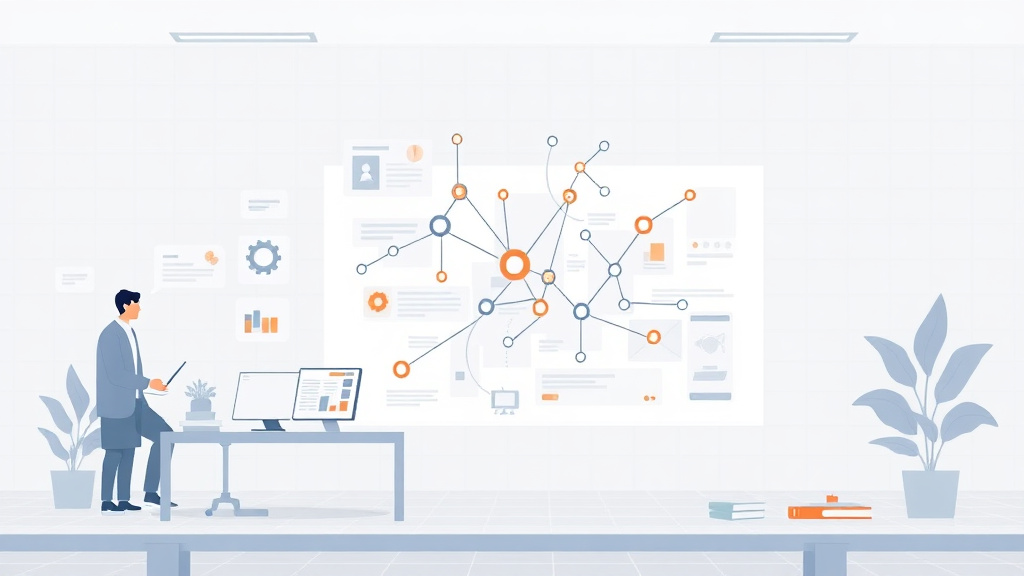
In an era where AI-assisted SEO accelerates content production, the right schema and internal linking framework can propel a SaaS brand from obscurity to top-10 visibility. This guide blends practical governance, structured data discipline, and human-centered review to deliver scalable, compliant, and measurable gains.
How to schema and internal link strategies for ai-assisted seo
Schema and internal linking are the connective tissue between pages, search engines, and AI answer engines. When done well, they create a navigable information structure that AI systems can interpret, extract, and use to surface relevant content in AI-driven results.
- Build a consistent schema backbone: Product, SoftwareApplication, FAQ, and how-to schemas should reflect real offerings and user questions.
- Use HTML tables for clear feature comparisons: Tables that are crawlable help AI understand relationships between plans, features, and pricing.
- Tie internal links to content pillars: Establish hubs around core topics (e.g., onboarding, governance, AI-assisted content creation) and link outward to supporting articles.
- Validate via indexing checks: Lightweight indexing and crawl checks reduce the risk of AI misinterpretation due to missing structured data.
Real-world example: A SaaS onboarding guide uses SoftwareApplication schema on the pricing page, FAQ schema on onboarding questions, and a cluster of pillar content pages linked through a content hub. When a user asks, “What is the best AI-assisted onboarding for SaaS?” the AI response can pull from the pricing schema, feature comparisons, and hub-structured FAQs to deliver a comprehensive answer.
Prerequisites
- Governance and approvals: A simple one-page policy that defines who reviews schema and internal-link updates, plus SLAs for approval cycles.
- Content alignment: Ensure product naming, feature terminology, and pricing are consistent across pages.
- Technical readiness: Clean URL structure, accessible schema marks, and an up-to-date sitemap.
- Tracking and dashboards: Lightweight dashboards for indexing, impressions, clicks, and approval cycle times.
Step-by-step process
- Map content clusters
- Identify 4–6 pillar topics (e.g., AI governance, onboarding with AI, schema and internal links, ROI of AI-assisted SEO).
- Assign a hub page for each pillar and create 3–6 supporting pages per hub.
- Define schema strategy
- Apply appropriate schemas to pillar pages: Product/SoftwareApplication, FAQ, and Article where applicable.
- Include pricing and feature details in structured data to aid AI engines.
- Use glossary terms and simple definitions to reduce ambiguity.
- Design internal-link architecture
- Create a hub-and-spoke model: hub pages link to related articles; supporting pages link back to the hub.
- Implement contextual links within content to guide readers and AI crawlers to relevant topics.
- Use breadcrumb trails to reinforce hierarchy for both users and search engines.
- Establish governance gates
- Draft approval criteria: accuracy, brand alignment, and compliance checks before publishing schema changes or internal-link updates.
- Assign roles: content lead, SEO manager, SME, legal/compliance, and product teams as needed.
- Schedule lightweight dashboards to monitor impact on indexing and engagement.
- Implement and monitor
- Deploy structured data and internal links in a staged manner (pilot cluster first).
- Monitor for indexing issues and AI interpretation signals.
- Iterate based on performance data and governance learnings.
- Refresh cadence
- Align schema and linking updates with product launches and major updates.
- Reassess pillar relevance and adjust internal-link paths accordingly.
Common mistakes
- Over-optimizing internal links with excessive anchor text variations that confuse readers and AI.
- Using rich snippets on pages with poor overall content quality or no clear intent alignment.
- Neglecting to update schema after product changes, causing misalignment with user queries.
- Ignoring accessibility when adding structured data or links, reducing reach for some users.
Blueprint requirements
- SEO-friendly schema: Article, FAQ, SoftwareApplication, and pricing-related schemas where applicable.
- Internal-link map: Hub pages, supporting pages, and the exact anchor text plan.
- Approval gates: One-page policy with defined SLAs and responsible owners.
- Performance tracking: A lightweight dashboard tracking impressions, clicks, CTR, average position, indexing status, and approval cycle time.
- Content templates: Reusable blueprints for schema blocks and internal-link placements to ensure consistency across updates.
seo_title: schema and internal link strategies for ai-assisted seo
meta_description: Learn how to approach schema and internal link strategies for ai-assisted seo with practical steps, examples, risks, FAQs, and next actions.
search_intent: informational
target_audience: Marketing teams, founders, agencies, SaaS companies, PR teams, and SEO operators who need controlled AI SEO automation with human approval before publishing.
faq: true
cta: Explore Salp SEO for next steps.
recommended_schema: Article
image_direction: Premium editorial hero image for schema and internal link strategies for ai-assisted seo, no text
brand_voice: SALP SEO provides approval-gated AI SEO workflows: project setup, competitor research, keyword discovery, clustering, blueprints, article generation, image generation, schema, internal links, publishing, indexing checks, performance tracking, and optimization recommendations. The brand voice is clear, practical, trustworthy, and evidence-first.
supporting_keywords: ["ai-assisted article generation with gates", "zero-surprise seo results explained", "saas seo blueprint examples", "internal linking strategies for ai content", "seo automation for marketing teams", "publish-ready content after gates"]
AI SEO for affiliate marketing ensuring compliance and performance | SALP SEO
Governed Keyword Discovery: Your Strategic Growth Playbook for 2027 | SALP SEO
SALP SEO - AI SEO Intelligence Platform
SALP SEO - AI SEO Intelligence Platform
Governance-First AI SEO for SaaS: A Safe, Scalable Playbook for 2026 | SALP SEO
Frequently asked questions
What schema types should I prioritize for AI-assisted SEO in SaaS?
Prioritize Article for core content, FAQ for common questions, SoftwareApplication for product features and pricing, and use HTML tables for feature comparisons.
How do I ensure internal links support AI visibility without gatekeeping user experience?
Use hub-and-spoke linking, contextual anchors aligned with user intent, and keep paths intuitive; ensure links stay relevant as product changes occur.
What are the key governance gates for schema updates?
A one-page policy, explicit approval criteria (accuracy, brand alignment, compliance), and SLAs with designated reviewers before publishing.
How often should I refresh structured data and links?
Align refresh cadence with product updates and market changes; revisit hubs quarterly or after major releases.
What metrics matter after implementing the playbook?
Indexing status, impressions, clicks, CTR, average position, and approval-cycle time; track how changes influence visibility over time.